Explore efficacy results
for TRUTAKNA
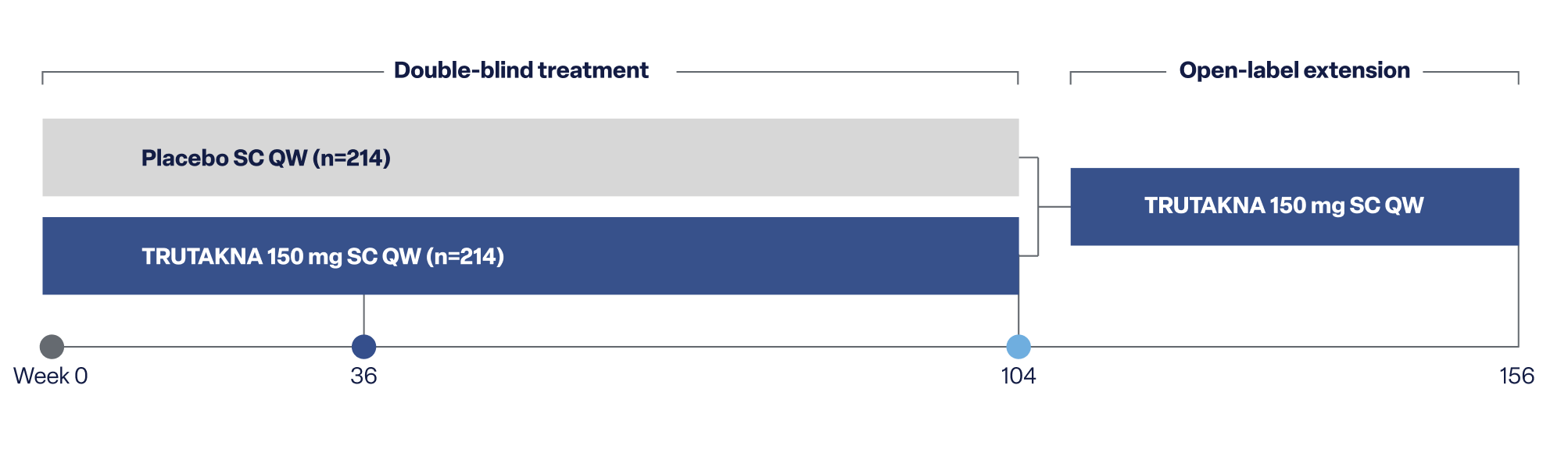
An ongoing global, randomized, double-blind, placebo-controlled Phase 3 trial of once-weekly, at-home, subcutaneous TRUTAKNA 150 mg, in which 203 patients were evaluated in a 36-week interim analysis
Key inclusion criteria
Key endpoints
Primary endpoint:
Secondary endpoints:
Safety endpoint
Assessing the impact on eGFR1,2
The ongoing ORIGIN 3 trial is evaluating the effect of TRUTAKNA on eGFR stabilization, with results to be reported when available
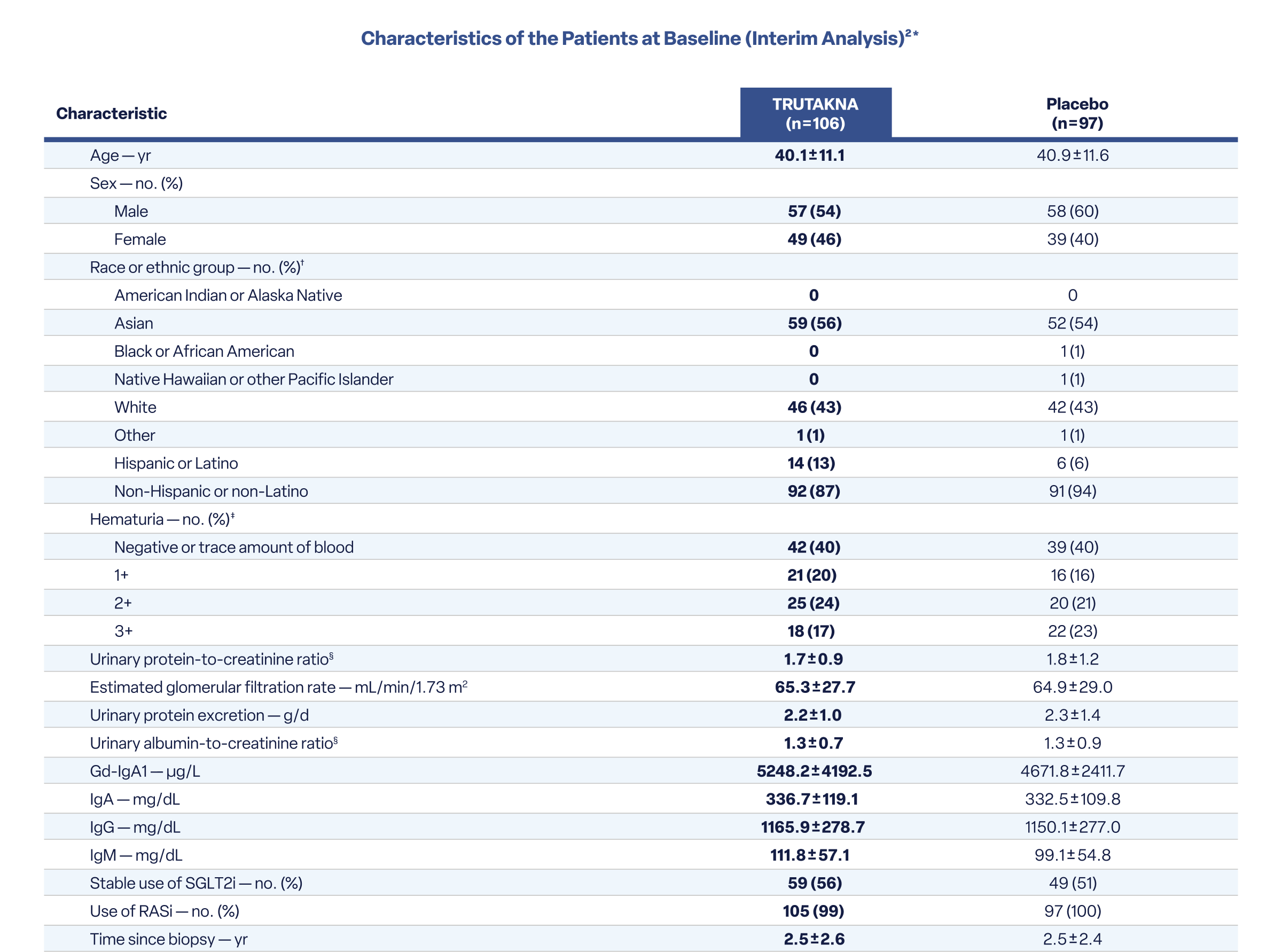
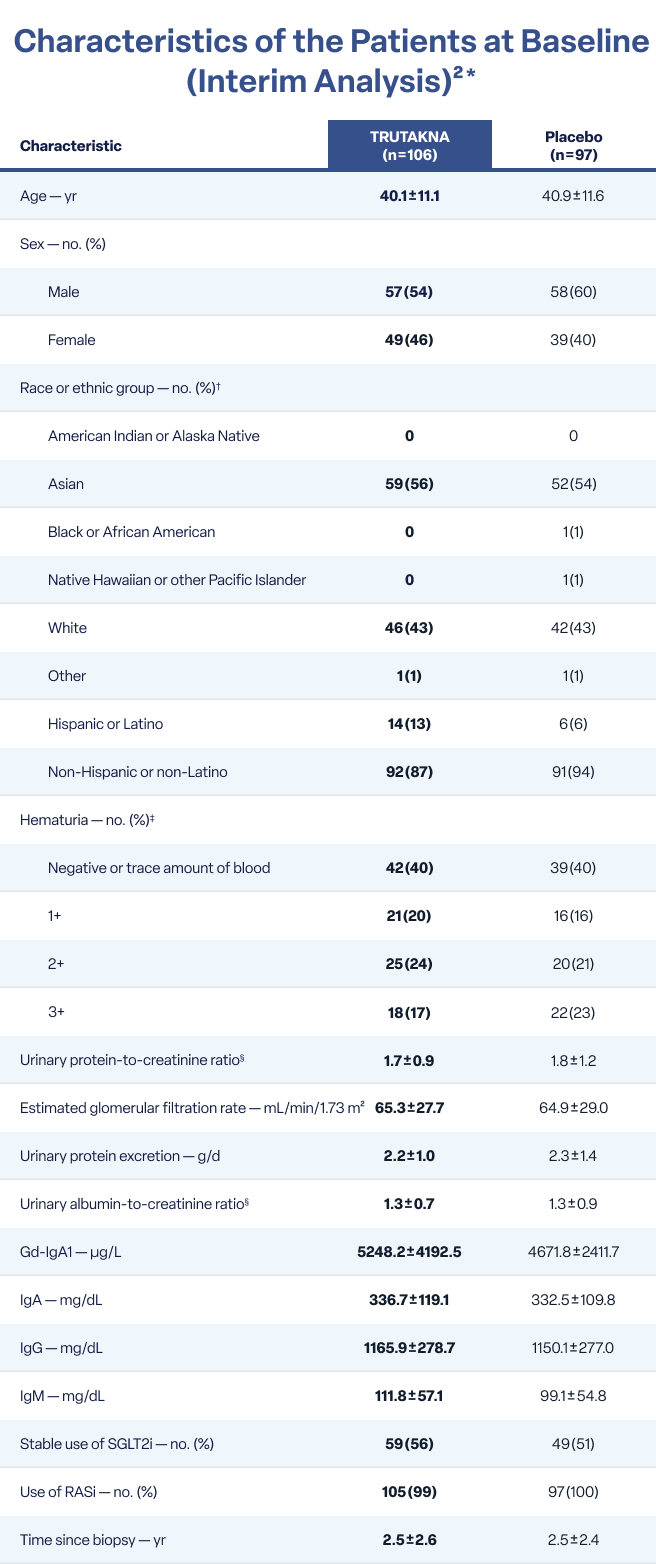
Patients in ORIGIN 3 reflected the real-world IgAN population2
Both arms in ORIGIN 3 received supportive care, consisting of stable RASi with or without SGLT2i. Patients were excluded if nephrotic syndrome developed within 6 months before screening or if evidence of rapidly progressive glomerulonephritis was found. No patients were excluded based on biopsy MEST-C* scores.
*
Plus-minus values are means ±SD.2
†
Race and ethnic group were reported by the patients. “Other” includes patients of multiple races.2
‡
Hematuria was defined by a dipstick reading of more than 1+.2
§
For these measures, protein, albumin, and creatinine were measured in grams.2
Safety results from the pivotal ORIGIN 3 trial2
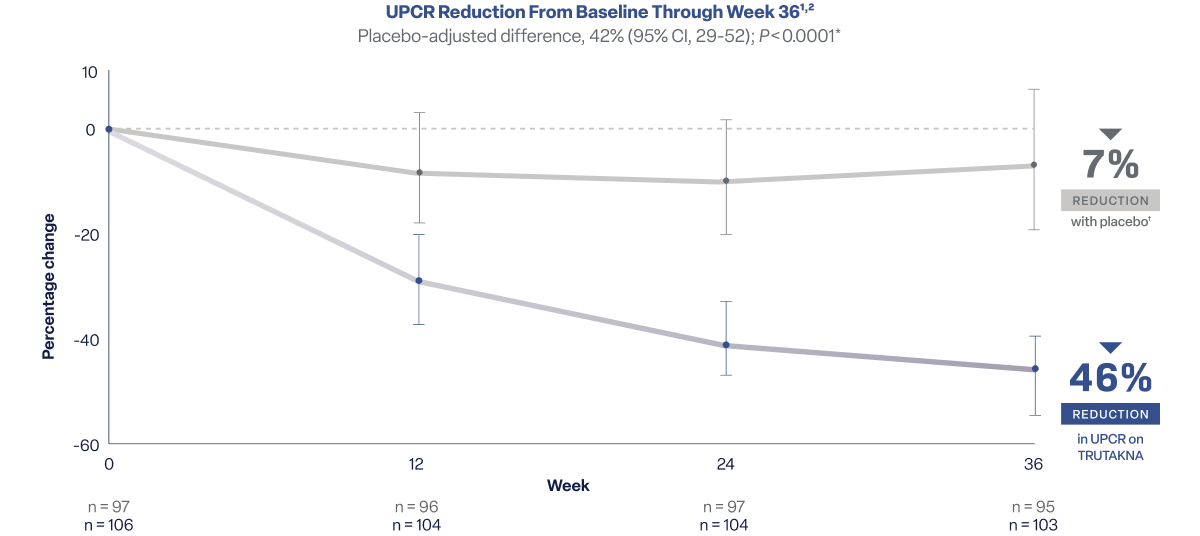
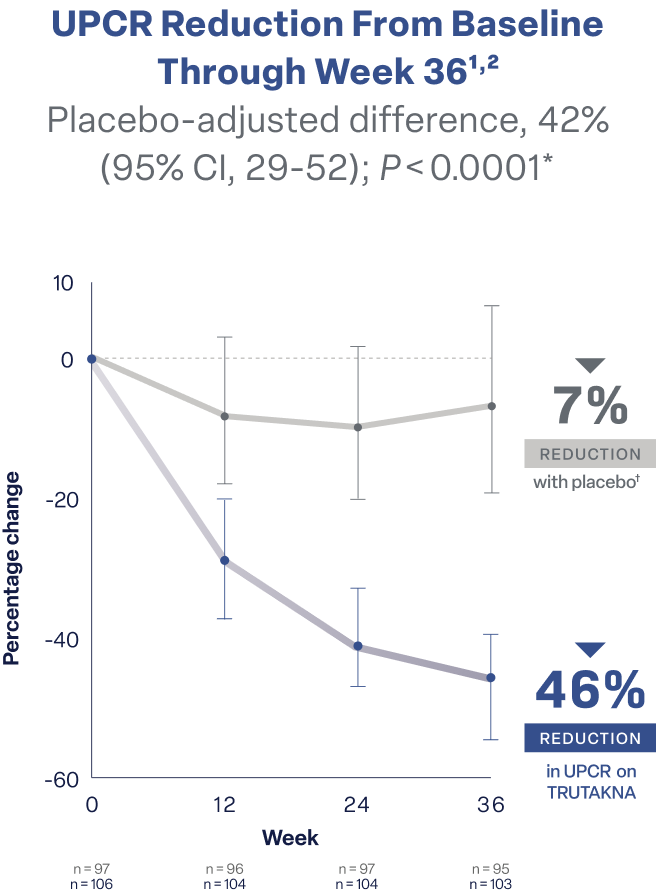
Decreases were maintained through Week 36
*
By comparing proteinuria remaining in each arm as a ratio, this approach adjusts for placebo response and avoids overstating treatment effects seen with direct subtraction.2
†
Both arms received supportive care, consisting of stable RASi with or without SGLT2i.2
The mechanism behind proteinuria reduction can differ among treatments2,3
Supportive therapies reduce proteinuria primarily through hemodynamic mechanisms. TRUTAKNA acts upstream on the underlying immunologic disease process
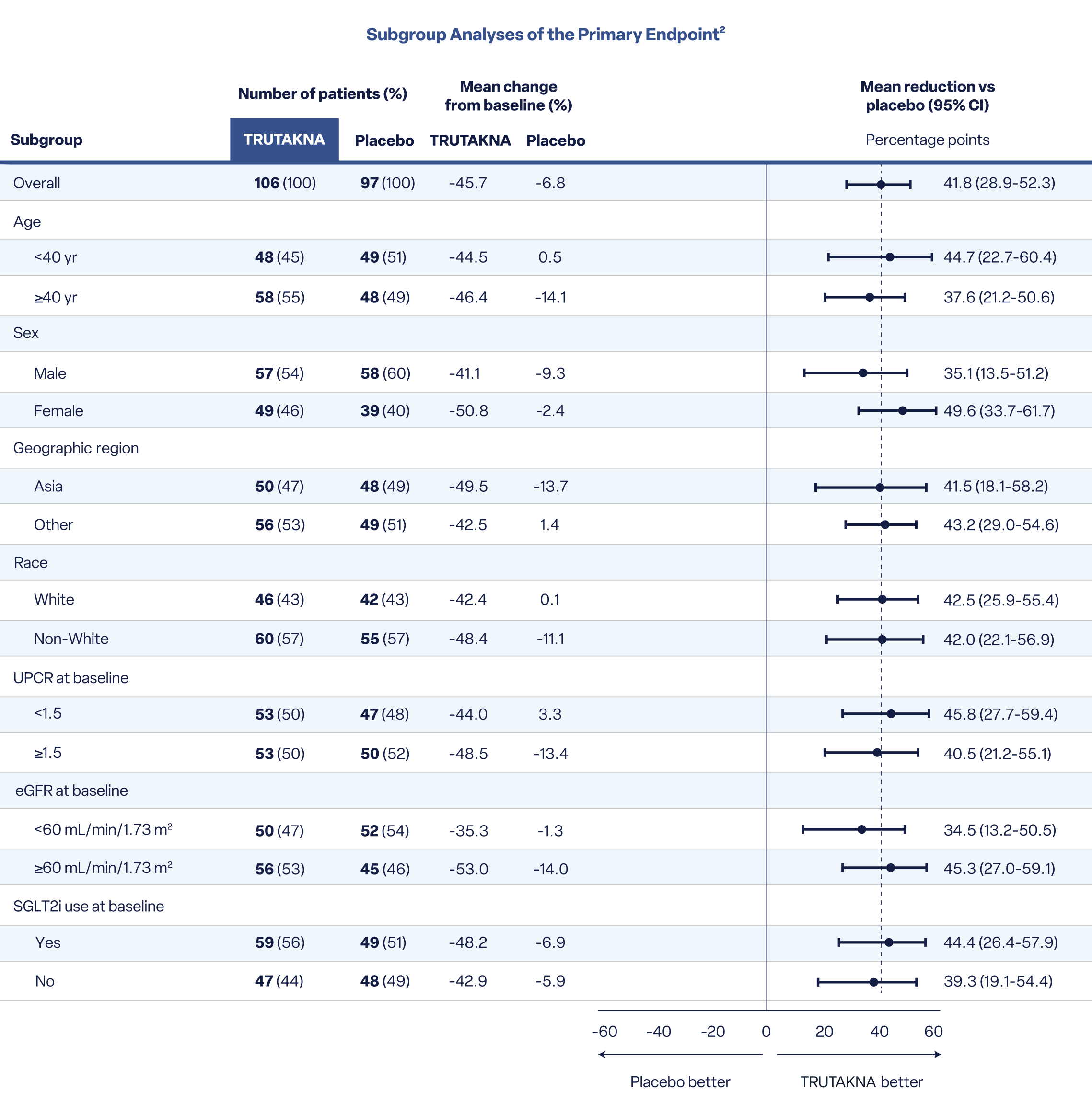
In a prespecified UPCR subgroup analysis at Week 36, results favored TRUTAKNA vs placebo, independent of baseline characteristics or SGLT2i use.
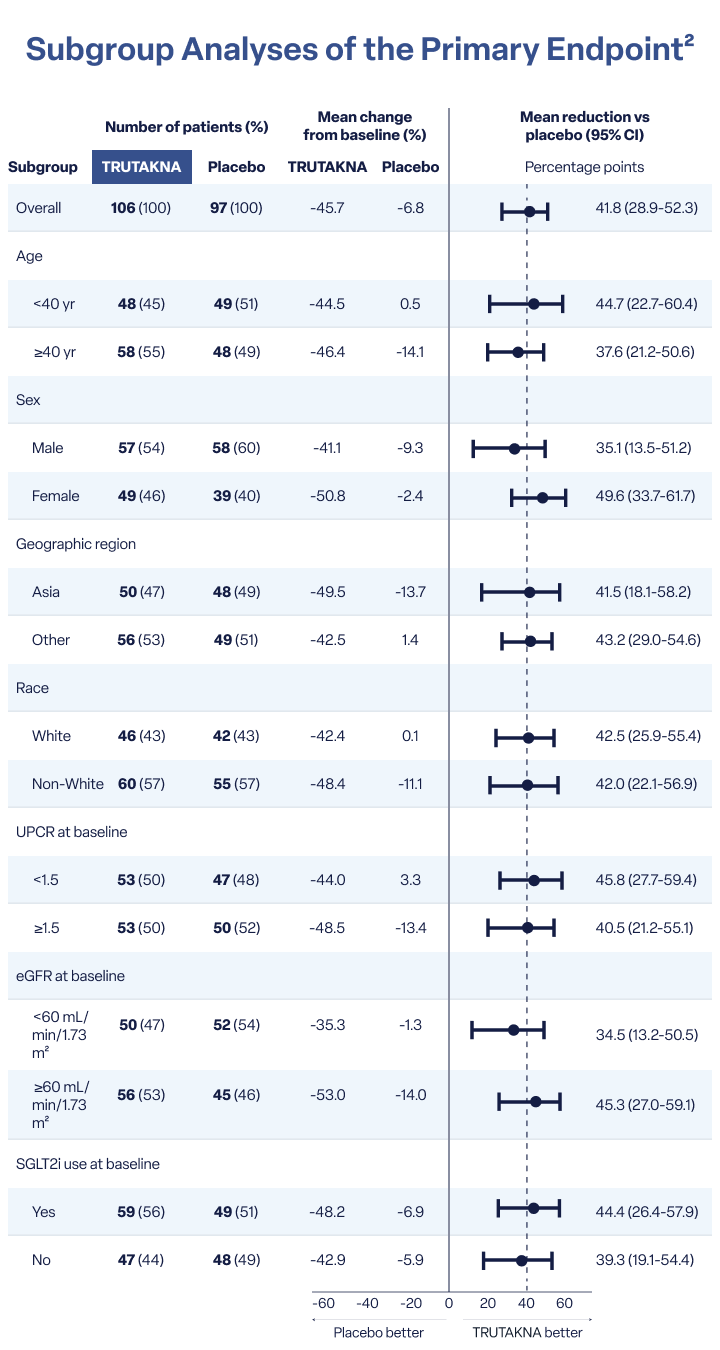
Safety results from the pivotal ORIGIN 3 trial2
Patients treated with TRUTAKNA achieved a 68% reduction in Gd-IgA1 vs 3% with placebo,* with reductions observed through Week 36
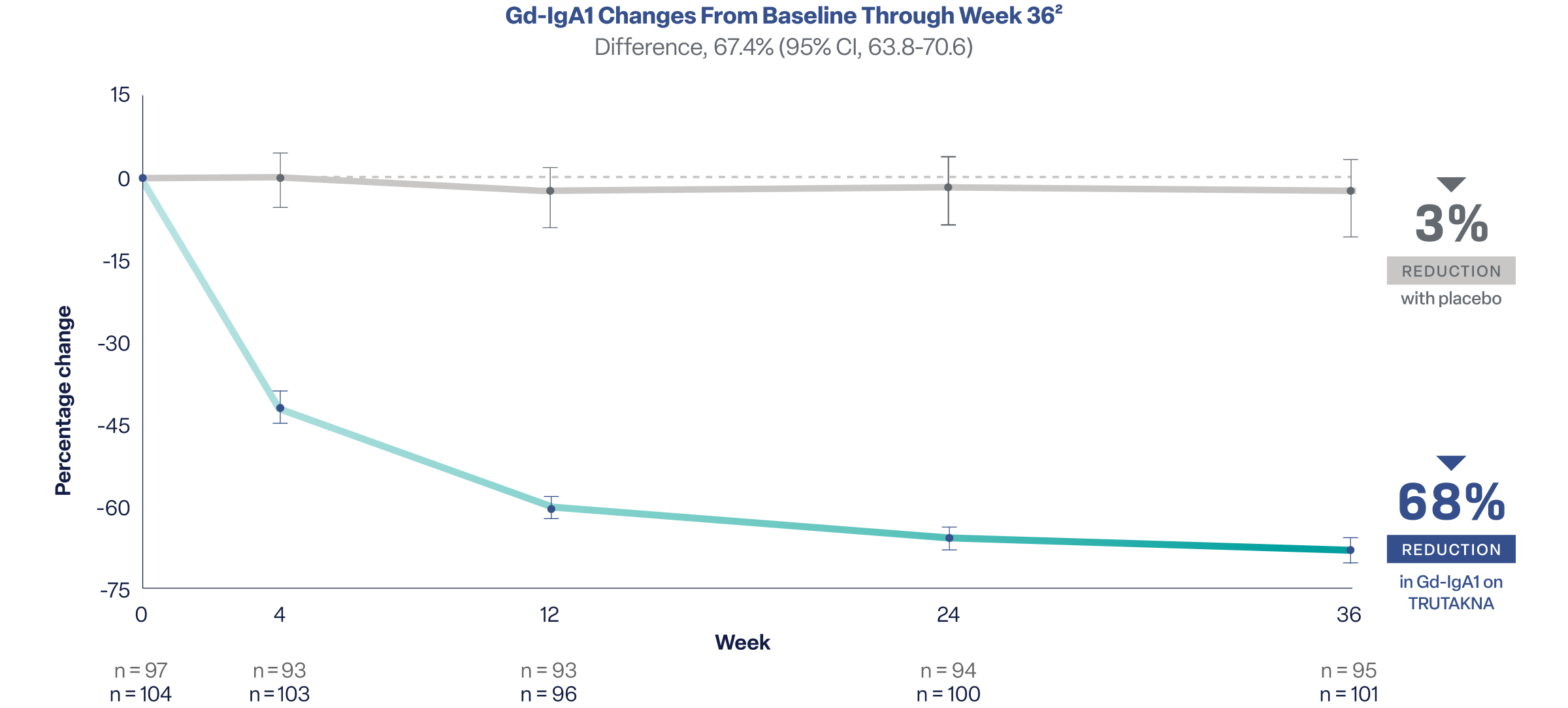
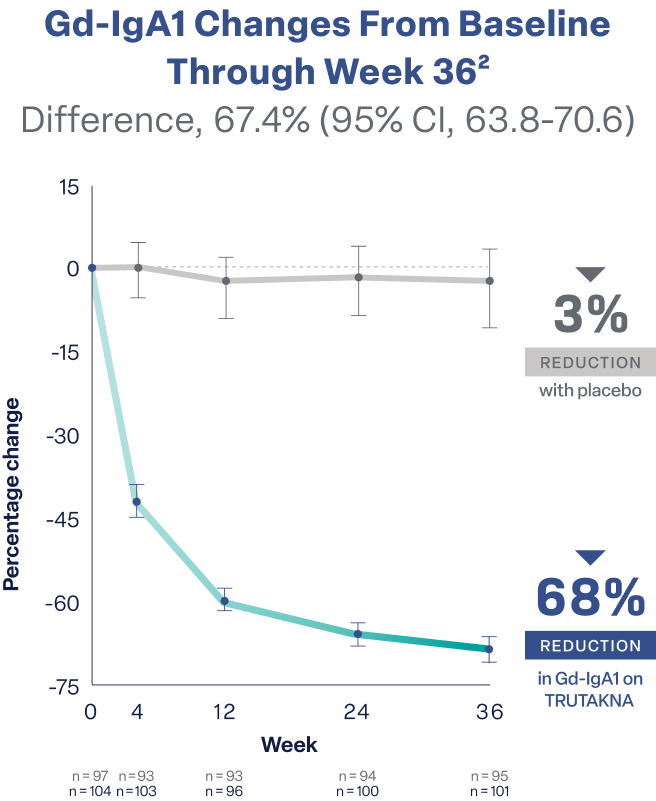
Due to no significance resulting from the absence of multiplicity adjustment for Gd-IgA1 analysis, these results are observational in nature, and any comparisons between treatment arms should be interpreted with caution. The information provided offers supportive, but not conclusive, evidence from ORIGIN 3 of the effect of TRUTAKNA on Gd-IgA1 in IgAN.
*
Both arms received supportive care, consisting of stable RASi with or without SGLT2i.2
TRUTAKNA reduces Gd-IgA11,2
Gd-IgA1 is implicated in the pathophysiology of IgAN through IgA immune complex formation and deposition in the glomeruli
Safety results from the pivotal ORIGIN 3 trial2
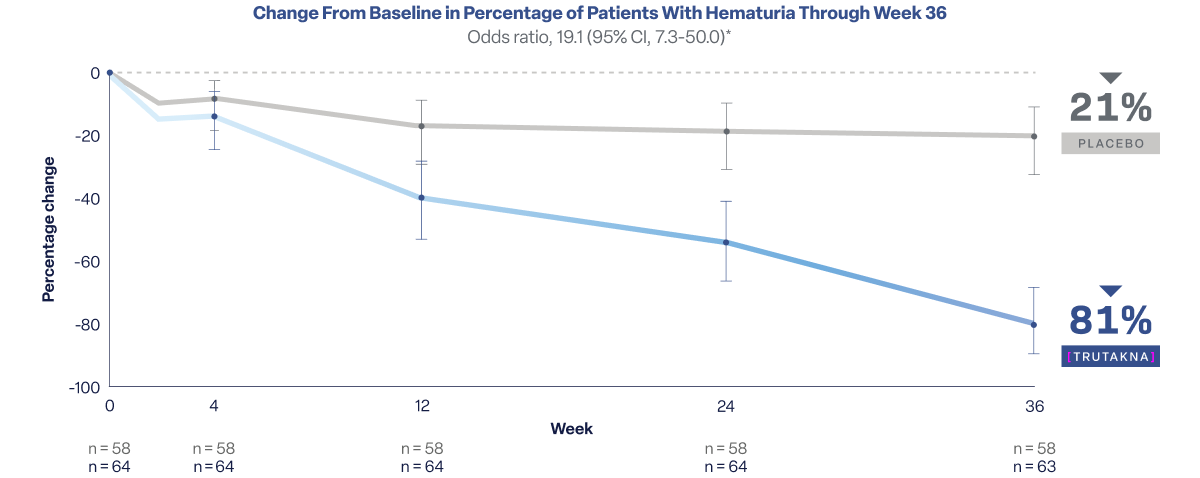
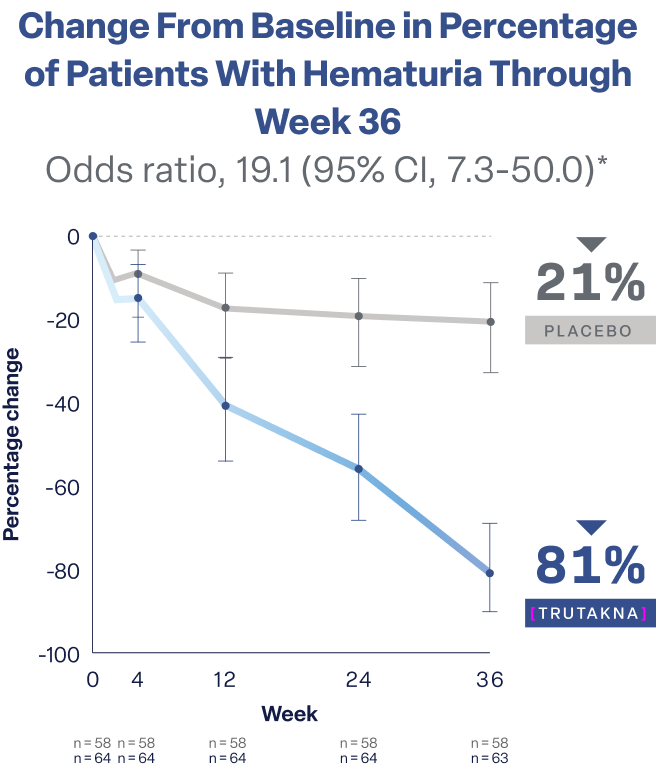
Of the 203 patients included in the interim analysis, 122 had baseline dipstick hematuria of ≥1+. By Week 36, hematuria resolution, which was defined as a reduction to negative or trace dipstick findings, was achieved by 81% (n=51/63) of patients treated with TRUTAKNA vs 21% (n=12/58) of those on placebo.†
Due to no significance resulting from the absence of multiplicity adjustment for hematuria analysis, these results are observational in nature, and any comparisons between treatment arms should be interpreted with caution. The information provided offers supportive, but not conclusive, evidence from ORIGIN 3 of the effect of TRUTAKNA on hematuria in IgAN.
*
These data are provided for descriptive purposes.
†
Both arms received supportive care, consisting of stable RASi with or without SGLT2i.2
Safety results from the pivotal ORIGIN 3 trial2
eGFR=estimated glomerular filtration rate; Gd-IgA1=galactose-deficient immunoglobulin A1; IgA=immunoglobulin A; IgAN=immunoglobulin A nephropathy; IgG=immunoglobulin G; IgM=immunoglobulin M; MEST-C=Mesangial hypercellularity, Endocapillary hypercellularity, Segmental sclerosis, Tubular atrophy/interstitial fibrosis, and Crescents; QW=once weekly; RASi=renin-angiotensin system inhibitor; SC=subcutaneous; SGLT2i=sodium-glucose cotransporter-2 inhibitor; UPCR=urine protein-creatinine ratio; yr=year.
IMPORTANT SAFETY INFORMATION AND INDICATION
INDICATION
TRUTAKNA (atacicept-vymj) is indicated to reduce proteinuria in adults with primary immunoglobulin A nephropathy (IgAN) at risk for disease progression.
This indication is approved under accelerated approval based on reduction of proteinuria. It has not been established whether TRUTAKNA slows kidney function decline over the long-term in patients with IgAN. Continued approval for this indication may be contingent upon verification and description of clinical benefit in a confirmatory clinical trial.
IMPORTANT SAFETY INFORMATION
CONTRAINDICATIONS
TRUTAKNA is contraindicated in patients with serious hypersensitivity to atacicept-vymj or any excipients of TRUTAKNA.
WARNINGS AND PRECAUTIONS
Immunosuppression and Increased Risk of Infections
TRUTAKNA suppresses the immune system by reducing antibody production, which may increase the risk of infections. Patients with chronic infection or recurring infections may have an increased risk of serious infection. In clinical trials, infections were reported in 32% of TRUTAKNA patients compared with 28% of placebo patients.
Before initiating TRUTAKNA, assess patients for active infections. Delay TRUTAKNA administration in patients with active infection until the infection resolves or is adequately treated. Monitor patients for signs and symptoms of infection during treatment with TRUTAKNA. If a serious infection develops, consider interrupting TRUTAKNA until the infection is controlled.
The concomitant use of TRUTAKNA and other immune-modulating therapies has not been evaluated. Concomitant use of TRUTAKNA with drugs that affect the immune system, including systemic corticosteroids, may increase the risk of infection.
Immunosuppression and Immunization Risk
TRUTAKNA may interfere with the immune response to vaccines and increase the risk of infection from live vaccines. Prior to initiating treatment with TRUTAKNA, complete all age-appropriate immunizations. Live vaccines are not recommended within 30 days prior to initiation or during treatment with TRUTAKNA as safety of coadministration has not been established.
ADVERSE REACTIONS
The most common adverse reactions (≥5%) in patients treated with TRUTAKNA and placebo, respectively, were infections (32% vs 28%) and local administration reactions (30% vs 5%). The most common infection was upper respiratory tract infection (12% vs 9%), and the most common local administration reactions were injection site reaction (19% vs 2%) and injection site erythema (6% vs 1%).
USE IN SPECIFIC POPULATIONS
Pregnancy
Available data on TRUTAKNA used in pregnant women exposed during clinical trials are insufficient to evaluate for a drug-associated risk of major birth defects, miscarriage, or other adverse maternal or fetal outcomes.
Based on the mechanism of action, TRUTAKNA may cause immunosuppression in the in utero-exposed infant. Consider the potential clinical impact of TRUTAKNA exposure in infants exposed in utero. Pregnant women exposed to TRUTAKNA, or their healthcare provider, should report TRUTAKNA exposure by calling 1-833-633-8372.
Pediatric Use
The safety and effectiveness of TRUTAKNA in pediatric patients have not been established.
You may report side effects to the FDA at 1-800-FDA-1088 or www.fda.gov/medwatch. You may also report side effects to Vera Therapeutics at 1-833-MED-VERA or medinfo@veratx.com.
Please see Important Safety Information throughout and Full Prescribing Information here.
References: 1. TRUTAKNA. Prescribing information. Vera Therapeutics; 2026. 2. Lafayette R, Barbour SJ, Brenner RM, et al; ORIGIN Phase 3 Trial Investigators. A phase 3 trial of atacicept in patients with IgA nephropathy. N Engl J Med. 2026;394(7):647-657. doi:10.1056/NEJMoa2510198 3. Kidney Disease: Improving Global Outcomes (KDIGO) IgAN and IgAV Work Group. KDIGO 2025 Clinical Practice Guideline for the Management of Immunoglobulin A Nephropathy (IgAN) and Immunoglobulin A Vasculitis (IgAV). Kidney Int. 2025;108(4S):S1-S71.